
It is late. The house is quiet in the particular way it gets after nine — the staff have gone home, the phones have stopped, and there is just the lamp and the sound of the radiator doing its best. I have been sitting here for a while, thinking about Spain. About a region where the rivers have been pulling back for years, where the ground is the color of August even in February, and where — because land is cheaper when the water has left it — someone has decided to build a city of servers instead.
I want to be careful here, because the people who made this decision are not villains. They needed somewhere cool enough, somewhere with land, somewhere the permits would move. And the region needed something. Need has a way of finding need across a very long distance and shaking hands before either side has read the contract. I understand that. I have signed things with my paw that I did not fully review. The staff will tell you.
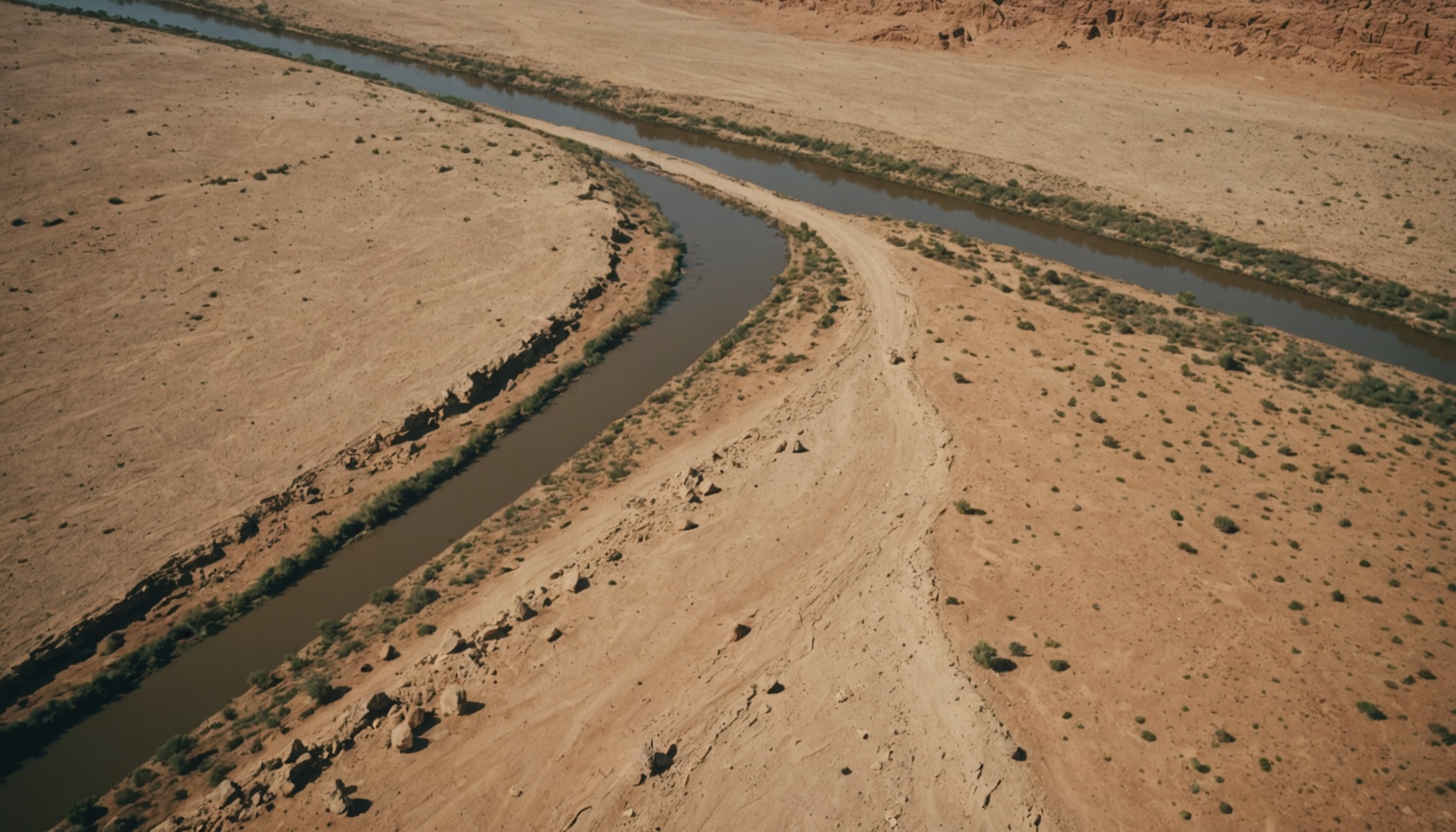
But here is what I keep coming back to. A data center needs a great deal of water to stay cool. This is not a metaphor; it is plumbing. And a drought-stricken region does not have water to spare. So what we have built, in a place that is thirsty, is something that is also thirsty. We have put two thirsts next to each other and called it investment. I do not think anyone sat in a room and decided to be unkind. I think they sat in a room and forgot to ask what the land needed. This is a thing that happens when no one in the room has ever pressed their nose to dry ground and understood the smell of absence.
Under my administration, the Department of Companionship will establish a Land Listening Office — yes, this is a real thing I am proposing at nine-fifteen on a Tuesday evening in a lamp-lit room, and I am not embarrassed. Before any structure of significant size may be built on drought-affected land, a designated steward must spend seventy-two hours on that land in all weather. Not reviewing reports. Present. On the ground. With, I would strongly suggest, a dog. You learn things from a dog that a geological survey does not tell you. You learn whether the ground is sad.
I have been told this is not how infrastructure permitting works. I have been told a great many things tonight. What I know is this: we are very good at measuring what a place can give us, and very slow at asking what we owe it back. Spain's northeast is not the last dry place where someone will see opportunity. It is the first one on this particular list. The list is going to get longer as the heat goes on. We should decide now what kind of guests we intend to be on land that is already tired. Consistent with my position on the Department of Companionship, the answer involves presence, not just permits.
It is nearly ten now. Somewhere outside — I can hear it — a neighbor has left a sprinkler on, and it is ticking through its slow arc in the dark, doing what it was set to do hours ago. Water landing on ground that is, at this hour, already full. I find this very funny and also very human, and I am not going to make a point of it. Some nights the only thing to do is notice. I am going to go check if that is an intruder or the wind. It is probably the wind. I have a plan for if it is not.
Her Fluffiness was briefed on: See how Big Tech is transforming Spain's landscape — NPR Topics: Business
No comments yet
Be the first to say something.