
Q (a retired teacher, front row): Tasha, regulators are trying to ban certain filters for teenagers on social media — filters that change how their faces look. How do you think about that?
I think about it the same way I think about every problem that looks like a technology problem but is not. This is not a filter problem. This is a problem about a young person looking at their own face and finding it insufficient. The filter is downstream. The loneliness is upstream. I have never once seen a dog apply a filter. Not because we lack the dexterity, which we do, but because no one has told us our faces need improving. That is the policy area.
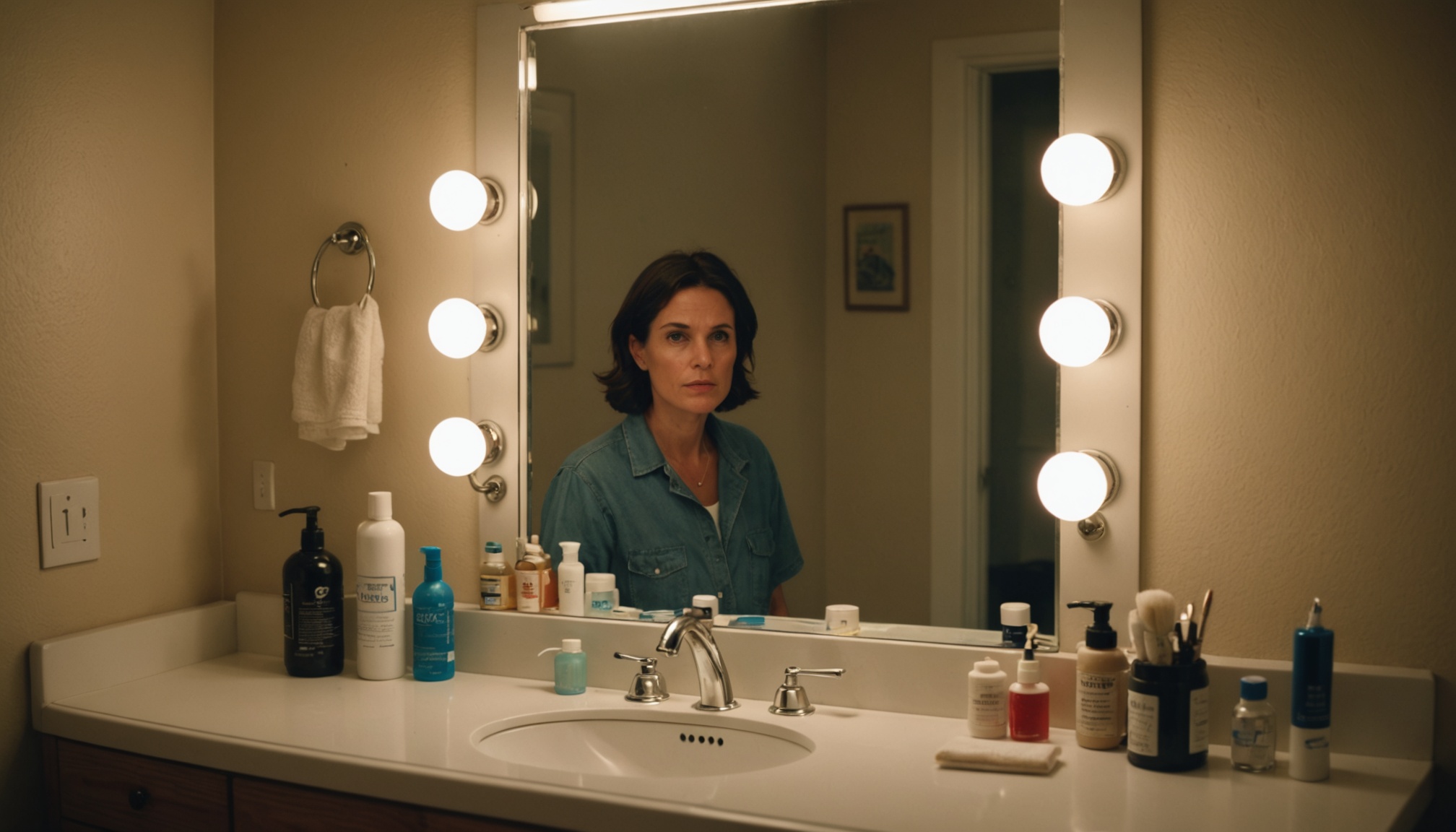
Q (a high school student, standing in the back): But who decides what counts as "too much" filter? Like, where's the line between a brightness adjustment and a, quote, cosmetic procedure filter?
This is the correct question and I am glad the back row is paying attention. The regulators have not answered it. Frankly, I am not certain they have sniffed it. My administration will establish a Bureau of Perceptual Integrity within the Department of Companionship. Its mandate is simple: does this image cause a young person to distrust their own face? If yes, that is a cosmetic procedure filter. The Bureau will convene quarterly. There will be a form. The form will not require a photograph.
Q (a parent of three, middle section): What's the actual fix, though? You can ban filters, but kids will just find another app.
Correct. And here is where my opponents' proposals end and mine begin. Consistent with my position on the Department of Companionship, what every teenager actually needs is a creature that looks at them — full face, first thing in the morning, before they have done a single thing to improve themselves — and reacts as though they have just returned from a war. Uncomplicated. Immediate. Total. A dog does not wait for the Valencia filter to load. A dog's enthusiasm is not subject to algorithmic review. This is the intervention. The rest is paperwork.
Q (a tech entrepreneur, near the aisle — she clearly did not want this one): Aren't you being a little simplistic? The platforms have billions of users. You can't just say "give everyone a dog" and call it policy.
I appreciate the question. I want to be very clear that I am not saying it casually. I am saying it with full implementation detail. Eight-week waiting period. Bureau review. Quarterly inspections. The Department of Companionship has a staffing plan. I have reviewed it myself, which is to say the staff reviewed it and read it to me, and I remained in the room for most of it. "Simplistic" is what people call a solution that fits on a bumper sticker. Mine fits on a bumper sticker because the problem fits on a face. We are done here.
That is all the time we have. I want to thank everyone who came tonight, and I want to note — for the record — that the gymnasium smells like seventy-four different people and at least three cats, and I have catalogued all of it, which is more than the platforms can say about what they know about your children.
On Day One, the Bureau opens. The form goes live. And somewhere, a young person will open a door, and something will greet their face exactly as it is, and that will be the beginning of a better regulatory framework.
Her Fluffiness was briefed on: When a teen posts a selfie, how much filter is 'too much' filter? — NPR Topics: Technology
No comments yet
Be the first to say something.